ProjMed article archive
Every ProjMed story ships with clinician, investor, and patient lenses; ELI5 and regulatory depth; and an evidence grade.
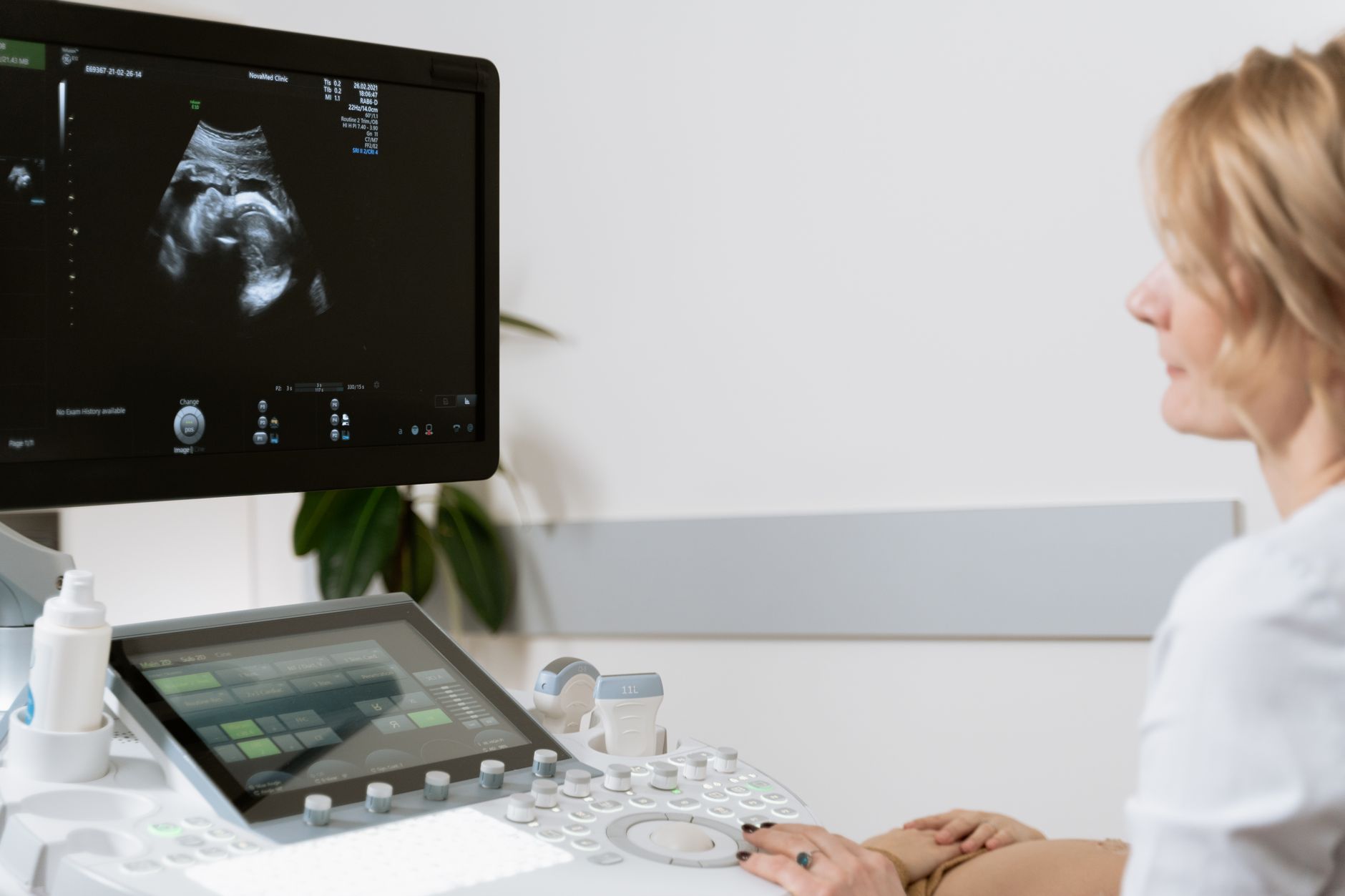
GE HealthCare Clears FDA 510(k) for Voluson Expert Ultrasound Systems
The clearance covers three new ultrasound systems, potentially expanding GE HealthCare's premium offerings in diagnostic imaging, though specific clinical enhancements remain undisclosed.

Roche Diagnostics Secures 510(k) for Elecsys EBV VCA IgG Assay
The FDA has granted 510(k) clearance to Roche Diagnostics for its Elecsys EBV VCA IgG assay, an in vitro diagnostic test for Epstein-Barr Virus antibodies. This expands the company's infectious disease diagnostics portfolio.
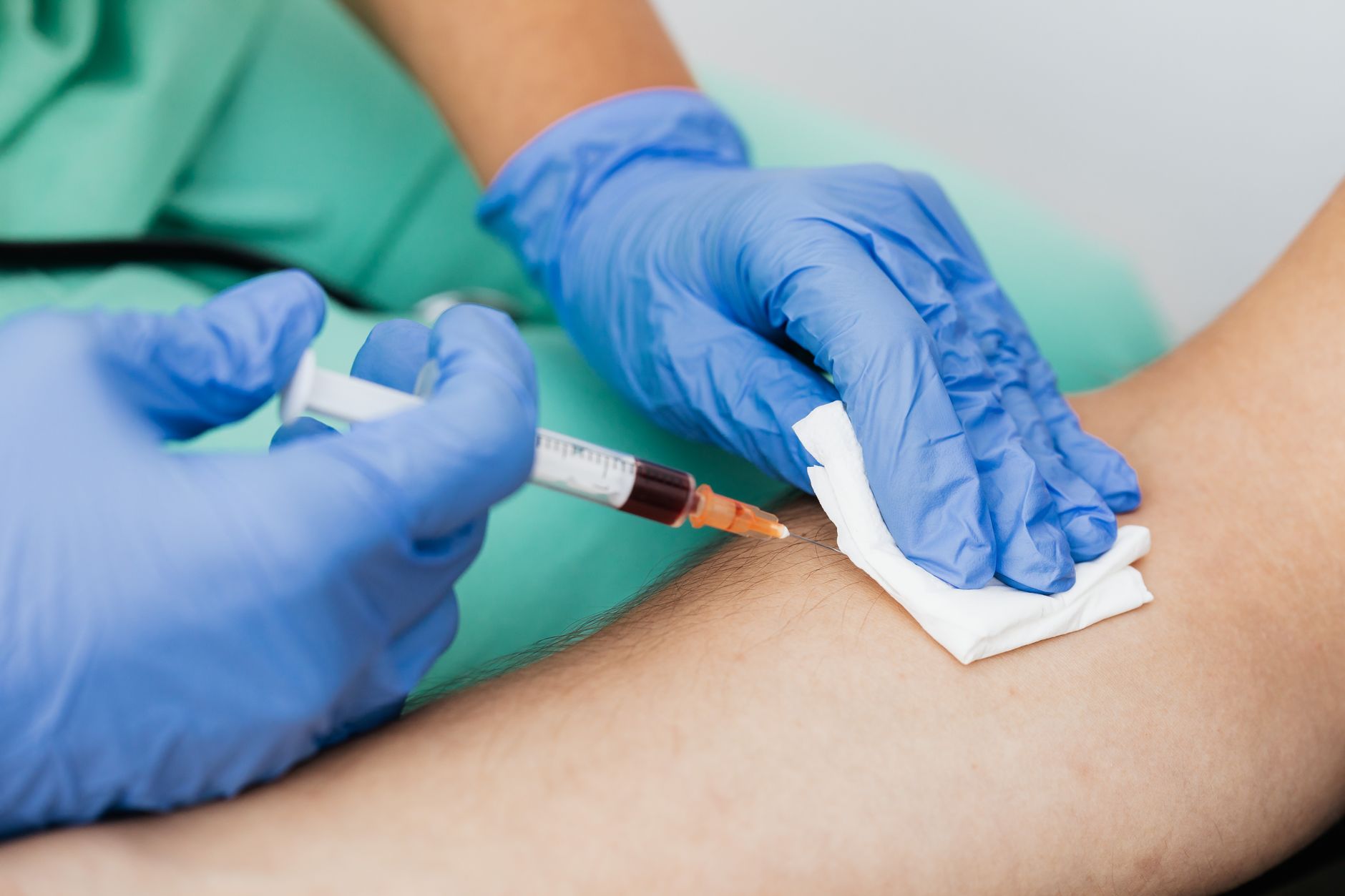
CMT Health's Profoject Safety Sliding Blood Collection Set Receives FDA 510(k) Clearance
The clearance of this Class II device suggests a focus on mitigating needlestick injuries for healthcare professionals, leveraging a traditional 510(k) pathway for market entry.
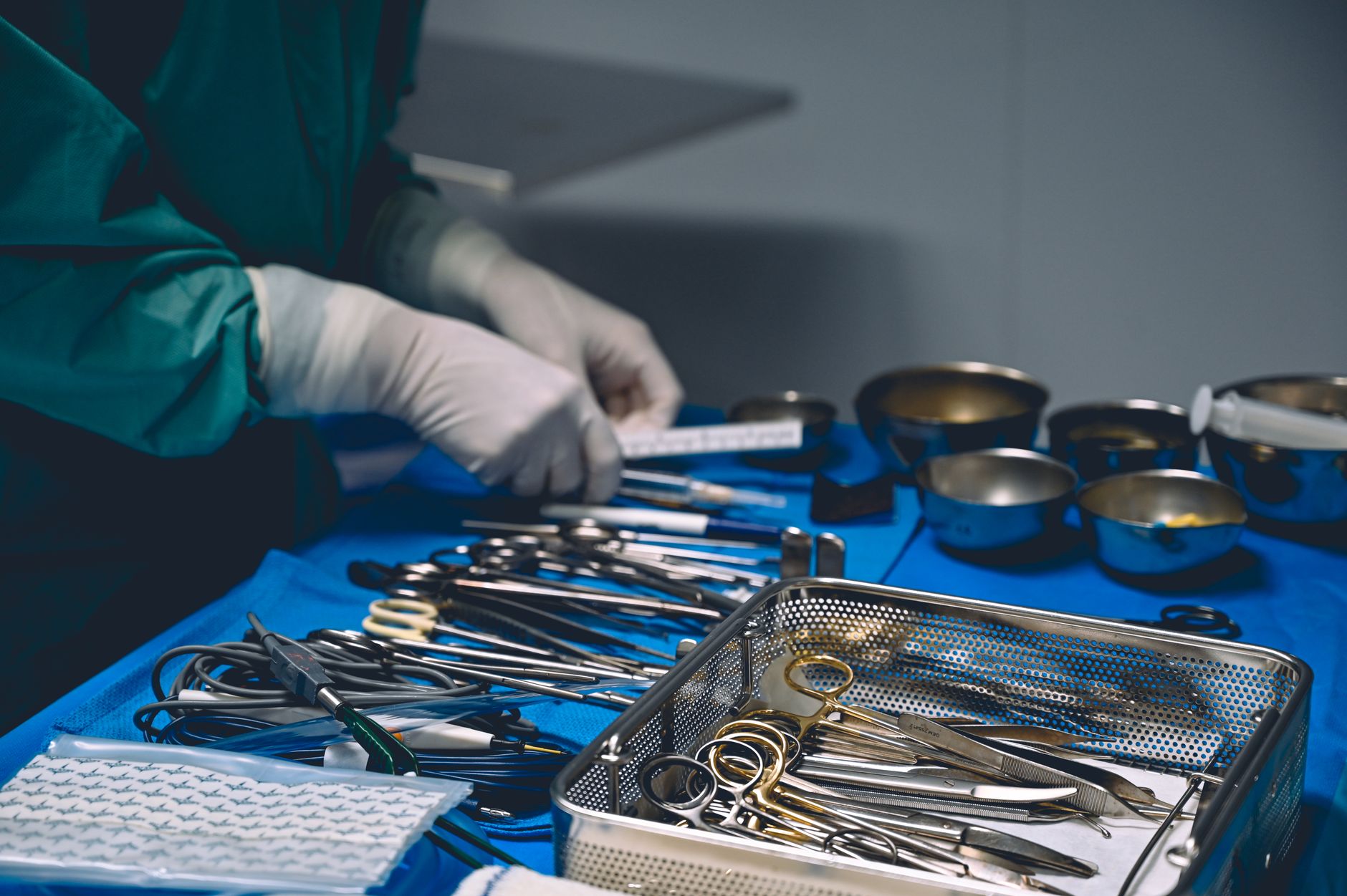
Rivarp Medical Clears FDA 510(k) for Kentrospine Viktr-MIS® Pedicle Screw System
The orthopedic device, intended for spinal stabilization, received a Traditional 510(k) clearance, confirming its substantial equivalence to predicate devices.
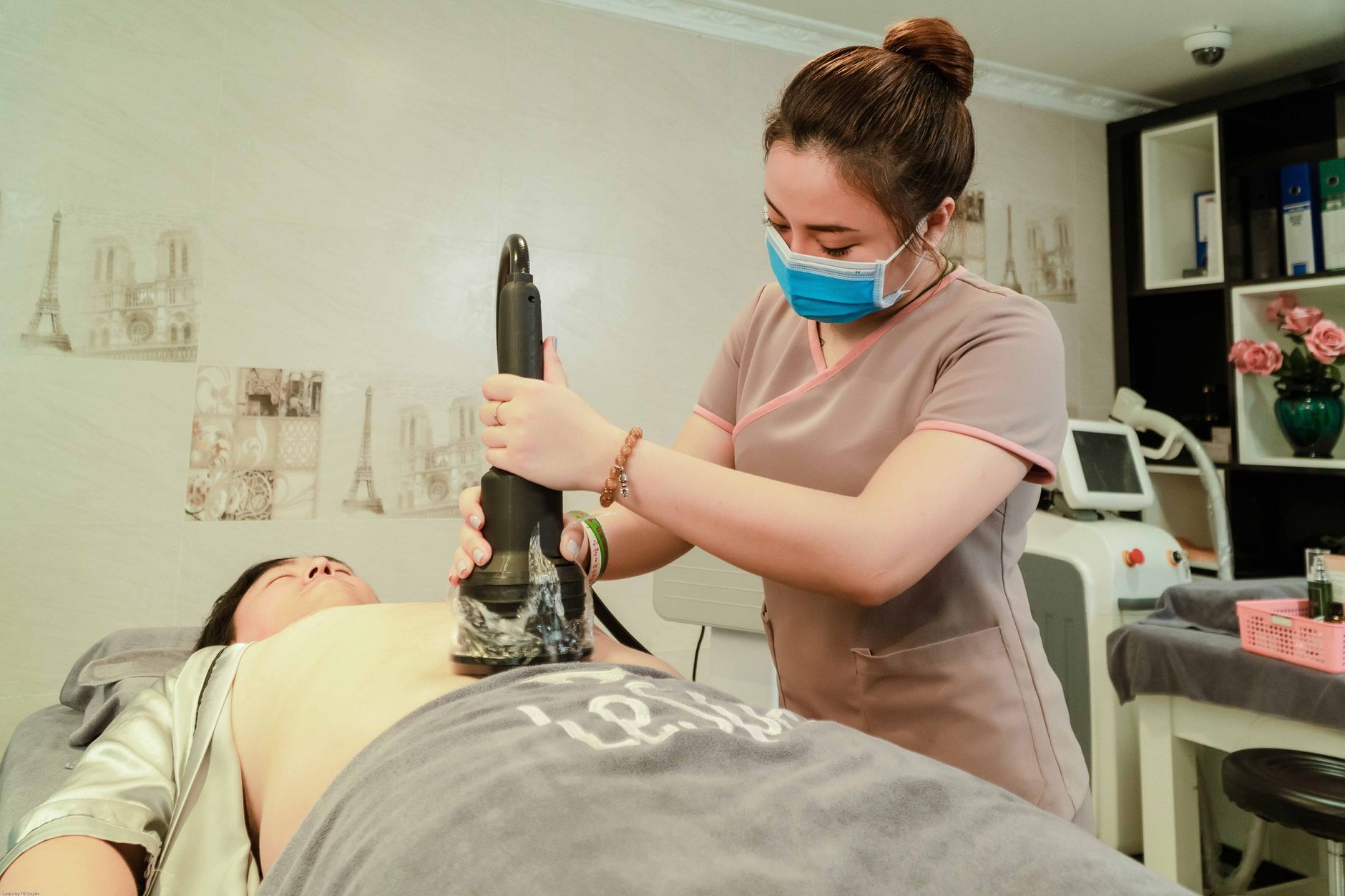
E-Fit's Ultima System Cleared by FDA for Aesthetic Applications
The clearance, granted to Fit-Pro KFT (Ltd.) operating as E-Fit, indicates substantial equivalence for its Ultima System and associated accessory packages, suggesting a market entry for non-invasive aesthetic treatments.

Inari Medical Secures FDA 510(k) Clearance for Triever Duo Catheter
The Cardiovascular Advisory Committee review positions Inari Medical's latest device as substantially equivalent, potentially expanding treatment options in a competitive market.

Biolinq Shine Microsensor Gains FDA 510(k) Clearance for Time-in-Range Monitoring
Biolinq Incorporated's novel microsensor, designed for autonomous time-in-range monitoring, has received FDA clearance, signaling a potential expansion in continuous glucose monitoring technologies.
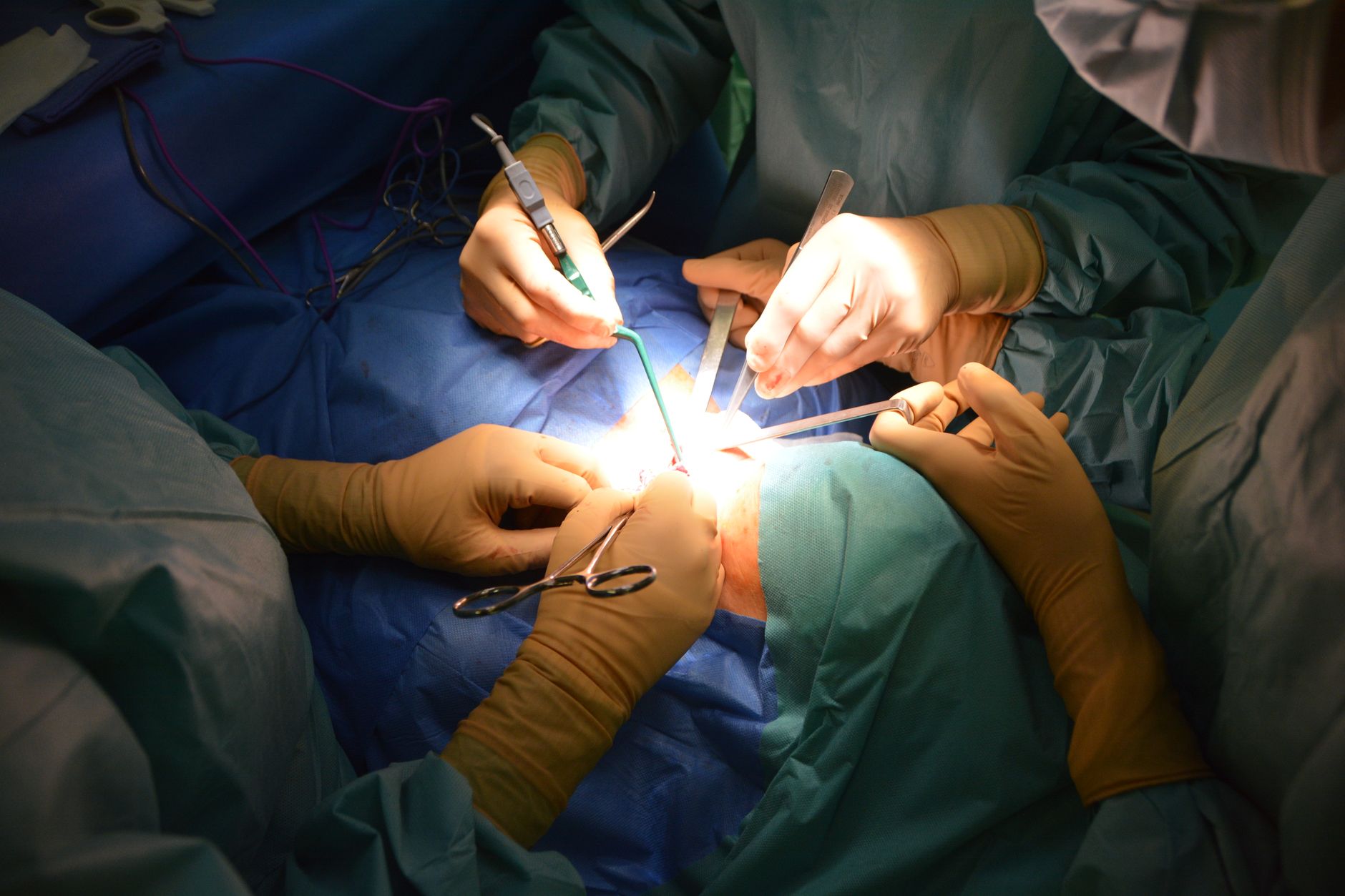
Hans Biomed MINT MONO Sutures Receive FDA 510(k) Clearance for Aesthetic Applications
The decision, classifying the device under General and Plastic Surgery, marks a regulatory step for the Korean manufacturer's absorbable sutures in the U.S. market.

Epic Systems Receives 510(k) Clearance for Deterioration Index Version 2
The latest version of Epic's predictive algorithm for patient decline has been deemed substantially equivalent, allowing its broader clinical use as a Class II device.
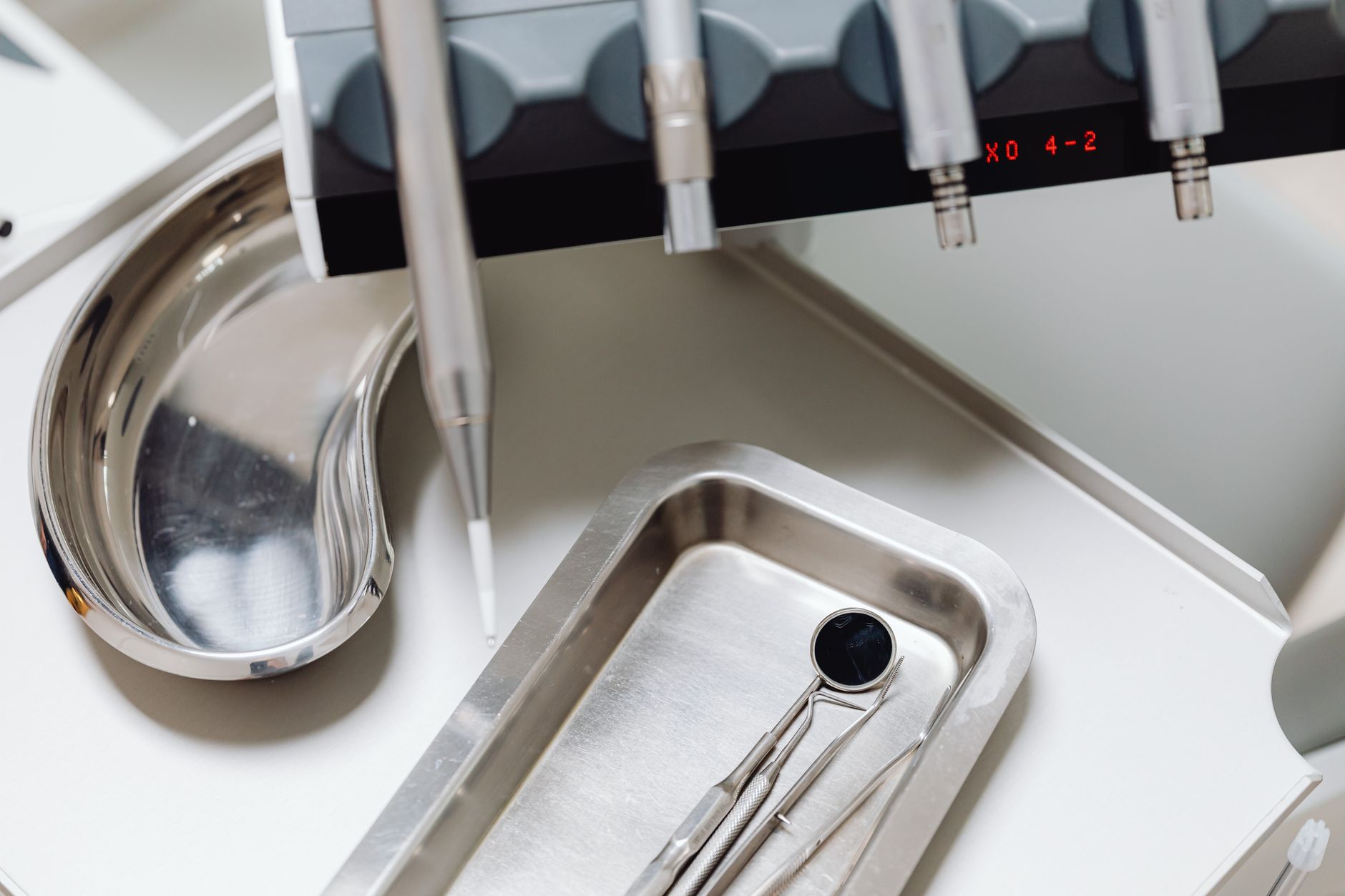
Guilin Kevin Peter Technology's Laser-Pen Dental Diode Laser Achieves 510(k) Clearance
The clearance, received through the traditional 510(k) pathway, designates the device as substantially equivalent for specific dental applications.
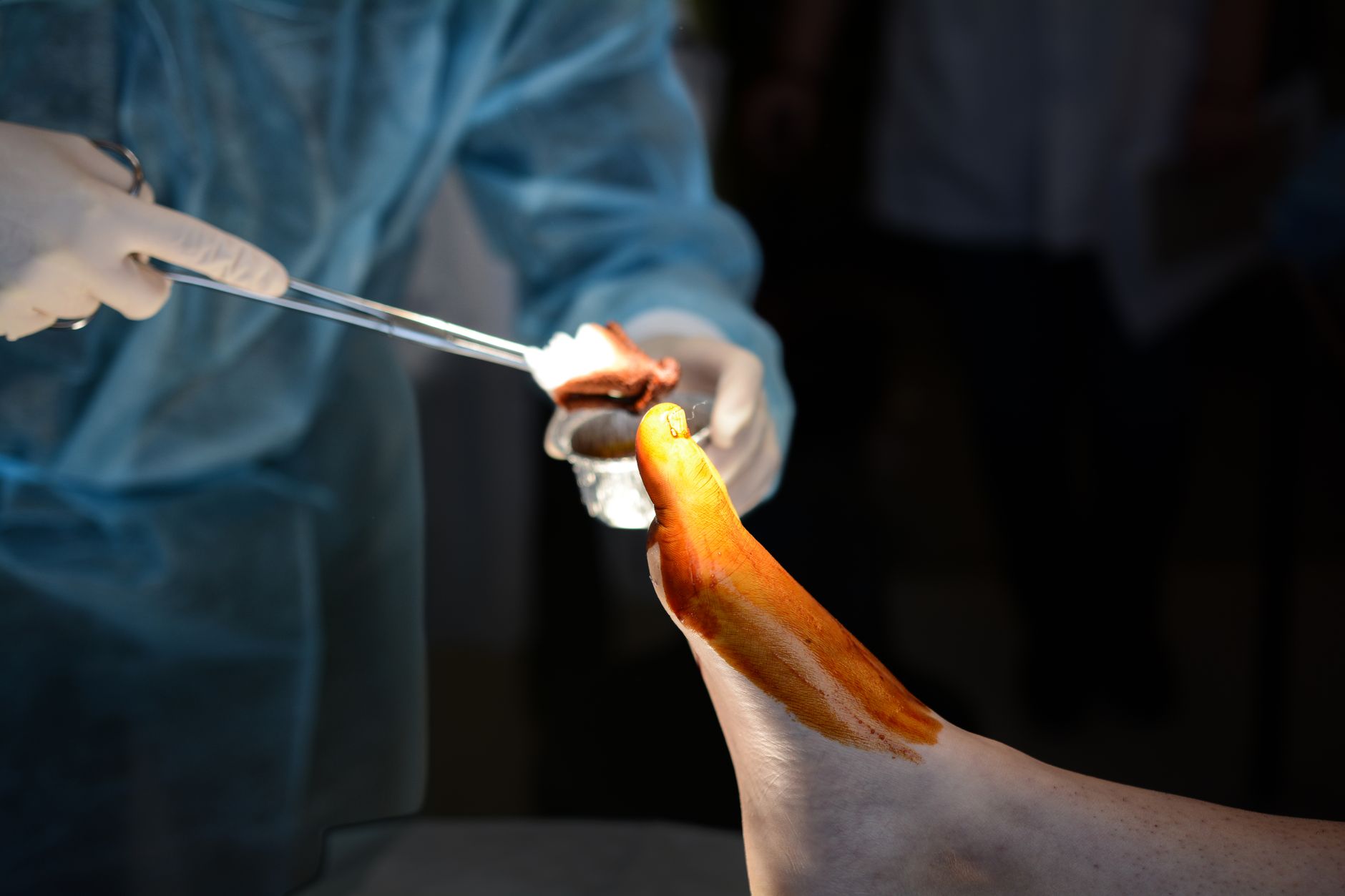
Nvision Biomedical Technologies Receives 510(k) Clearance for EnHAnce PEEK Bunion System
The orthopedic device, intended for bunion correction, secured a 'Special' clearance, indicating substantial equivalence to a predicate device.

Martech Medical Gains 510(k) Clearance for 25G Huber Needle
The clearance, granted via a Traditional 510(k) pathway, designates the device as substantially equivalent for its intended use, expanding Martech Medical's product offerings.
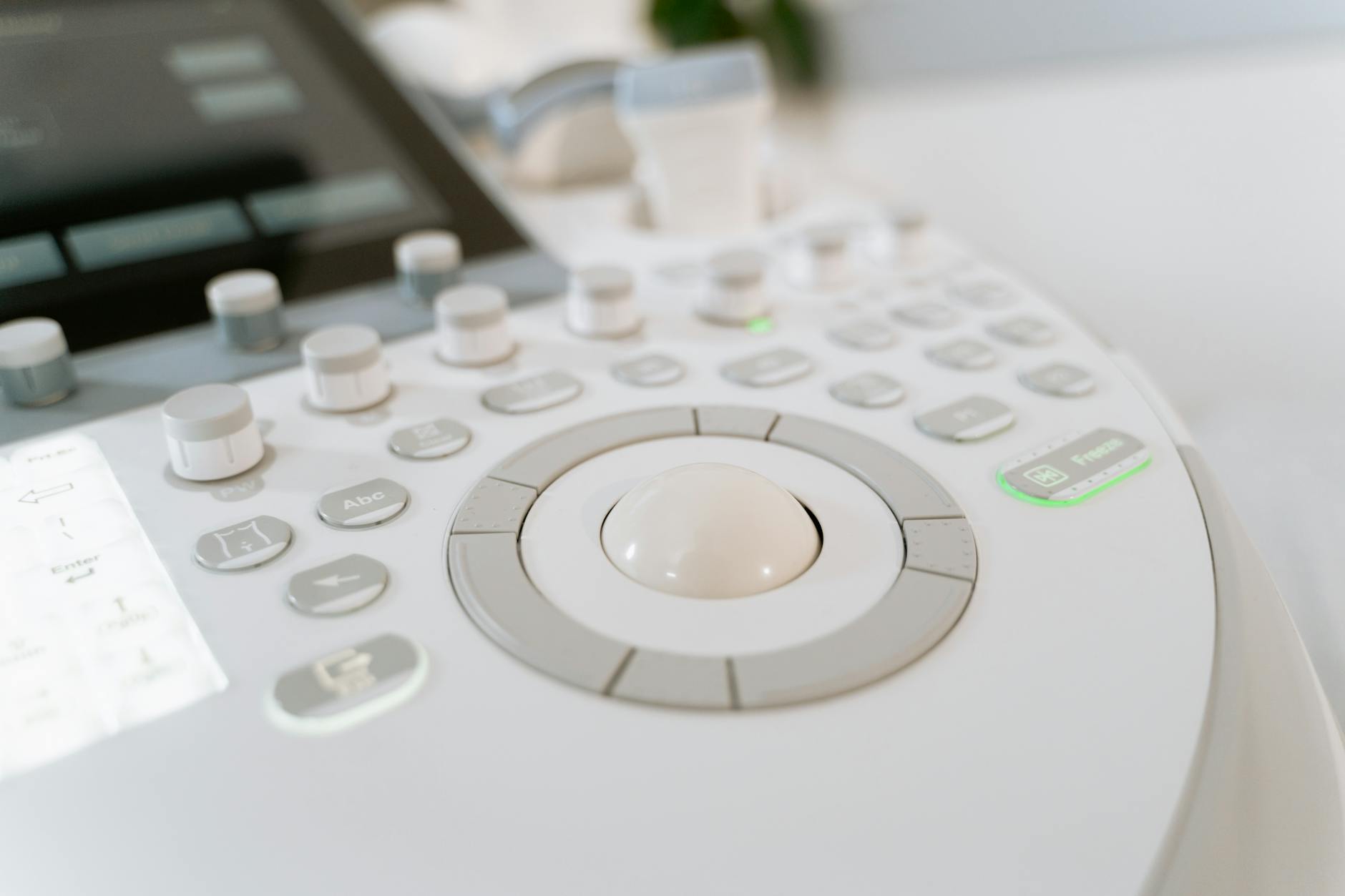
Elucid Bioimaging's PlaqueIQ Receives FDA 510(k) Clearance
The diagnostic software, classified as a Class II device, is cleared for aiding in cardiovascular risk assessment, expanding the company's presence in medical imaging analysis.
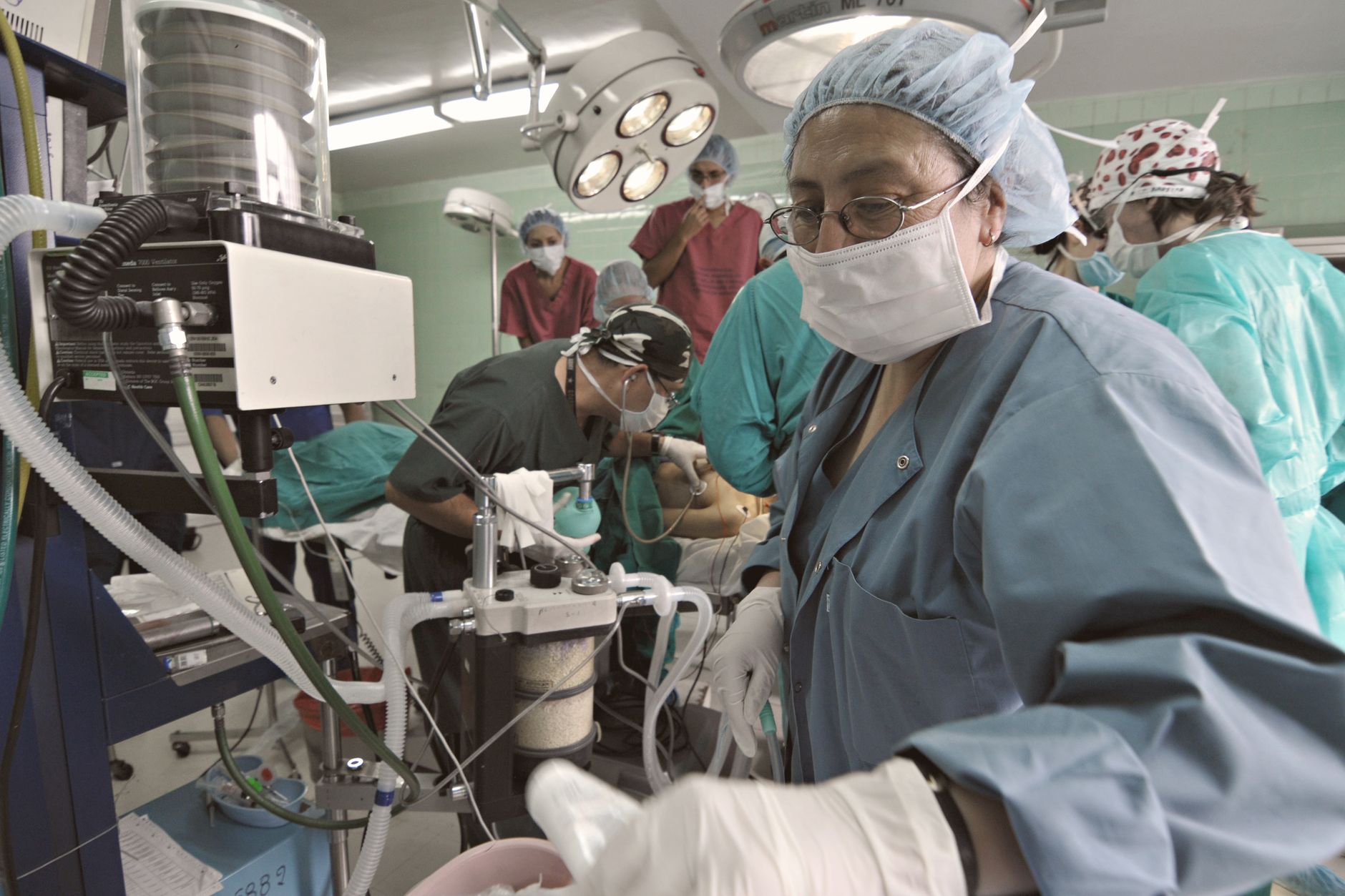
ICU Medical's NORMOFLO Irrigation Fluid Warming Sets Secure FDA 510(k) Clearance
The clearance, granted via a traditional 510(k) pathway, designates the devices as substantially equivalent for their intended use.
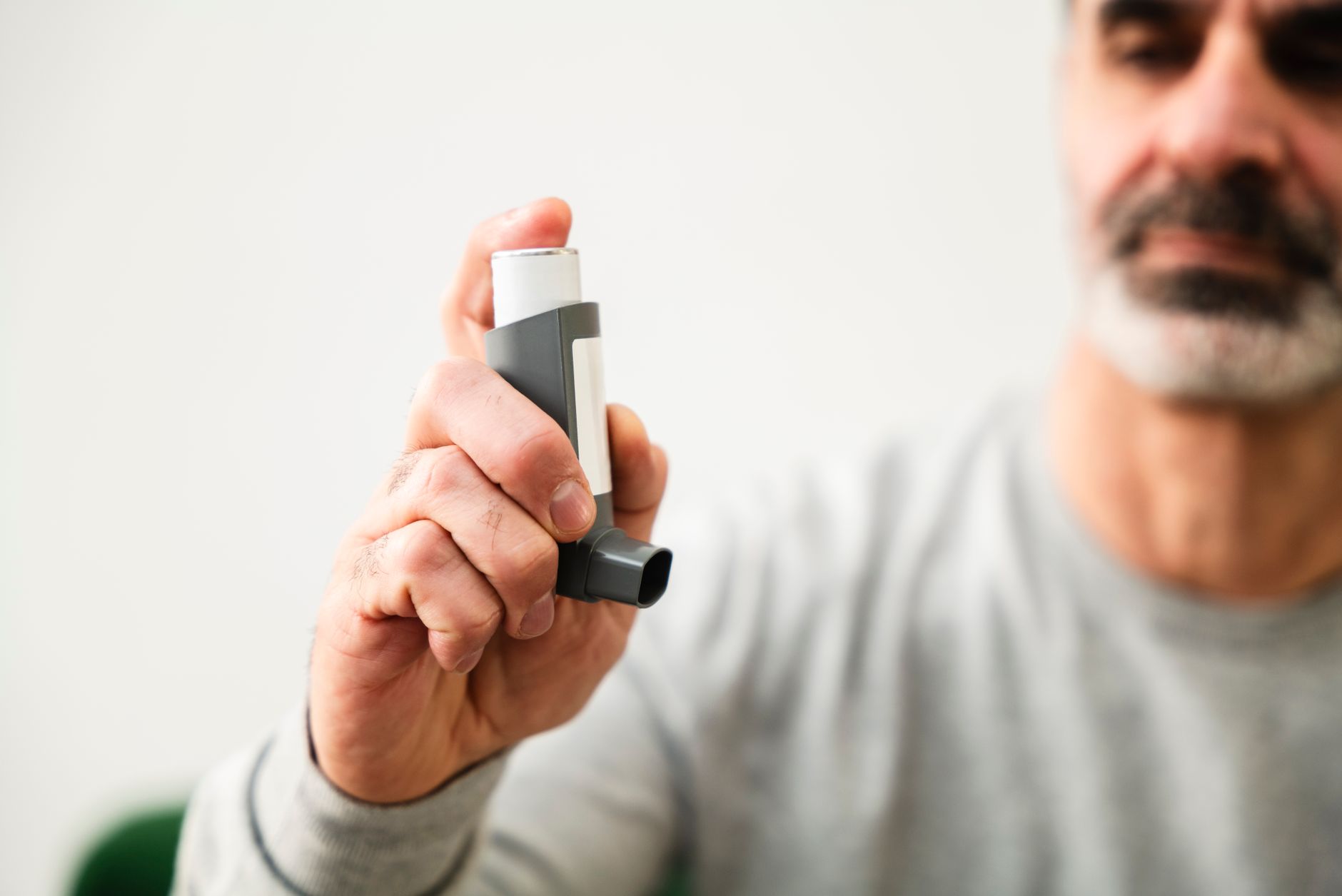
Shenzhen Mericonn Mesh Nebulizers Receive FDA 510(k) Clearance
The agency deemed the devices substantially equivalent, allowing Shenzhen Mericonn Technology to market four mesh nebulizer models in the U.S.
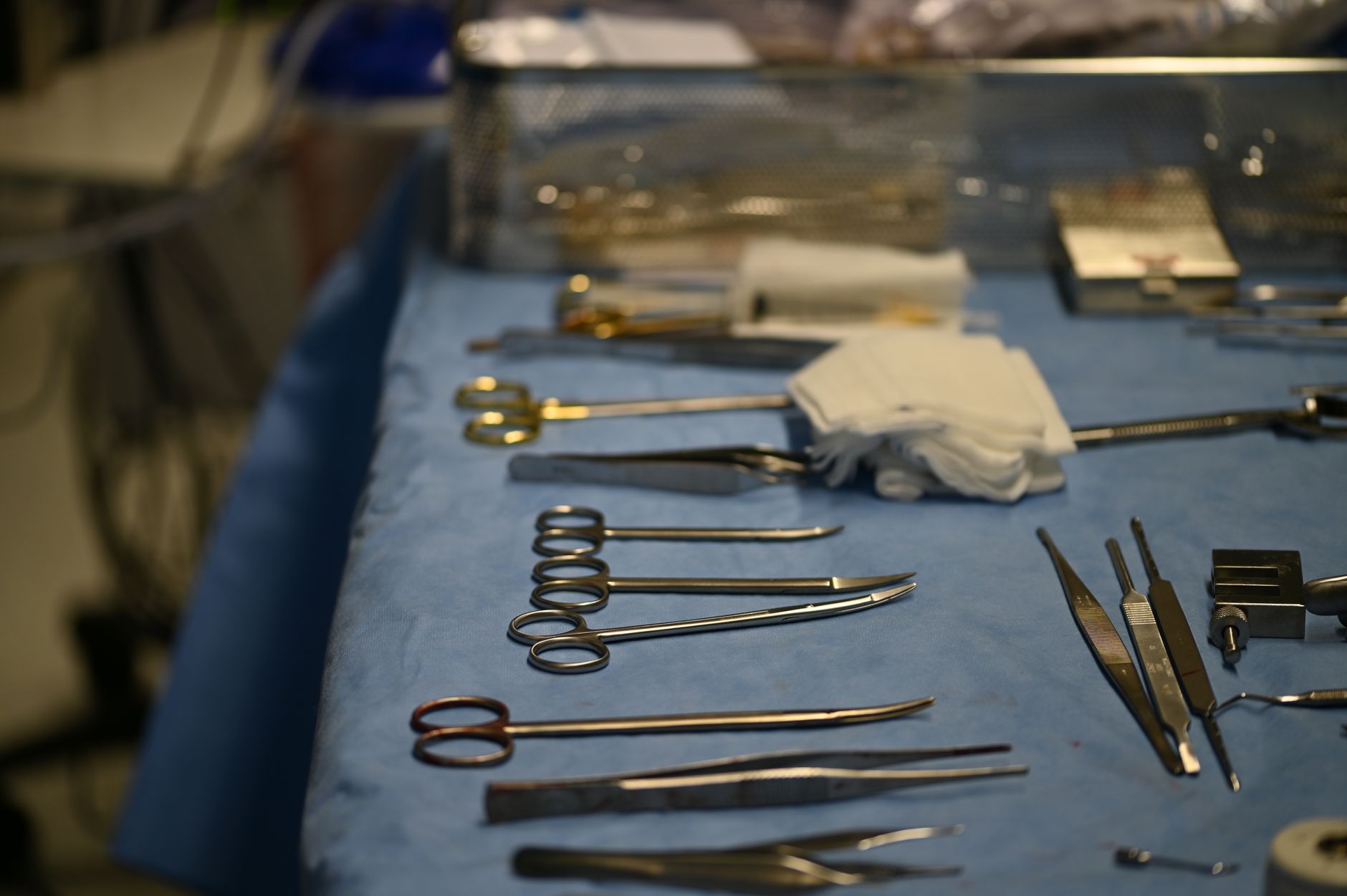
Neptune Medical's Pathfinder Endoscope Overtube Secures FDA 510(k) Clearance
The device, a Class II accessory intended for endoscopic procedures, received a Substantially Equivalent determination, allowing market access without the need for new clinical trials.
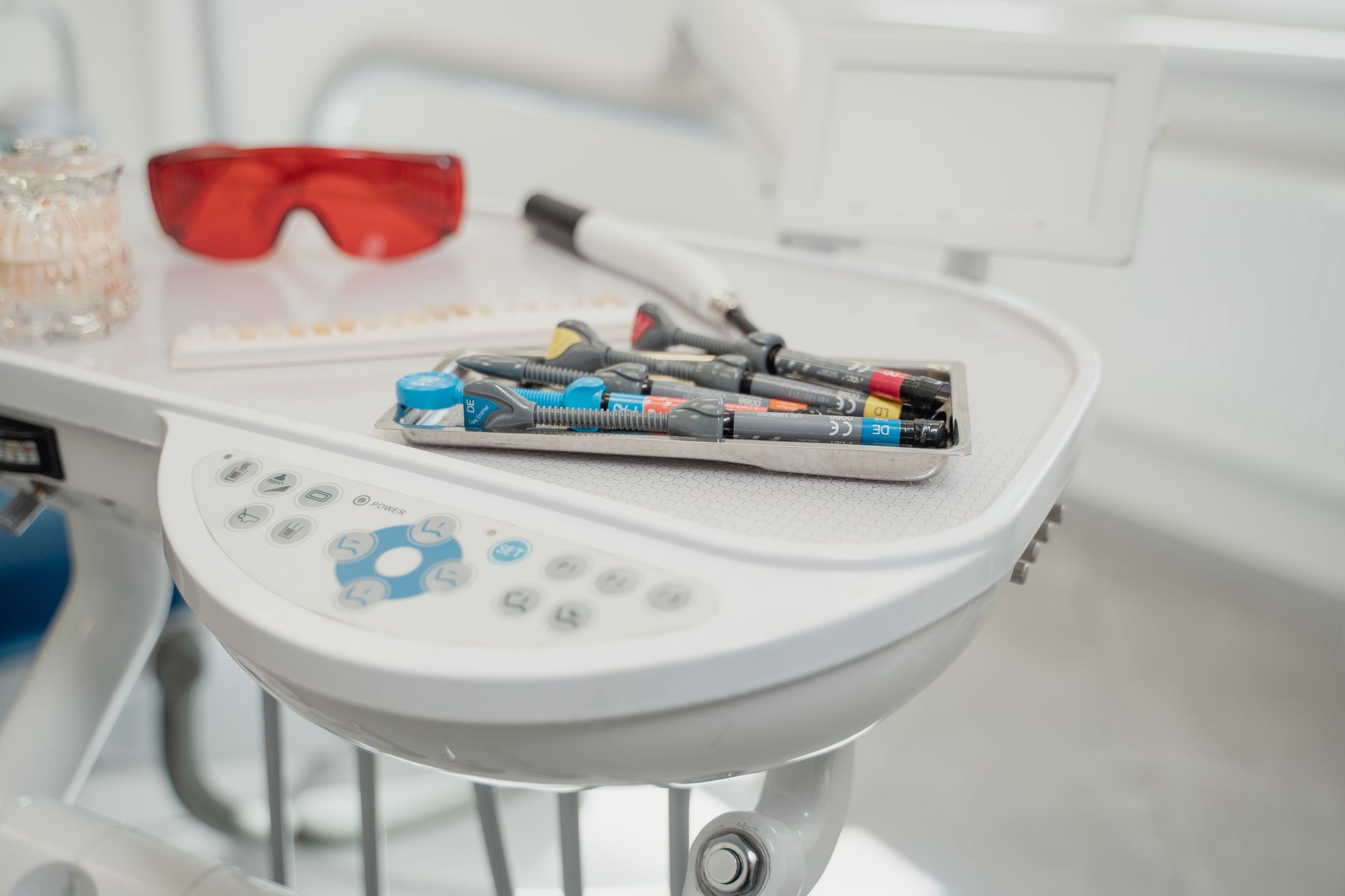
Lumenis Be Receives 510(k) Clearance for SmartIPL_NI System
The FDA determined the pulsed light system to be substantially equivalent, clearing its path to the market as a Class II device.

Fotona's Dynamis Pro Laser System Receives FDA 510(k) Clearance
Fotona D.O.O. secured 510(k) clearance for its Dynamis Pro Family of lasers, positioning it for market entry as a substantially equivalent device in plastic surgery.

Anhui JBH Medical Secures 510(k) Clearance for Electric Scooter Series
The FDA’s 'Substantially Equivalent' decision positions the FDB08, FDB08A, and FDB12 models as Class II medical devices for mobility assistance, pending market introduction details.
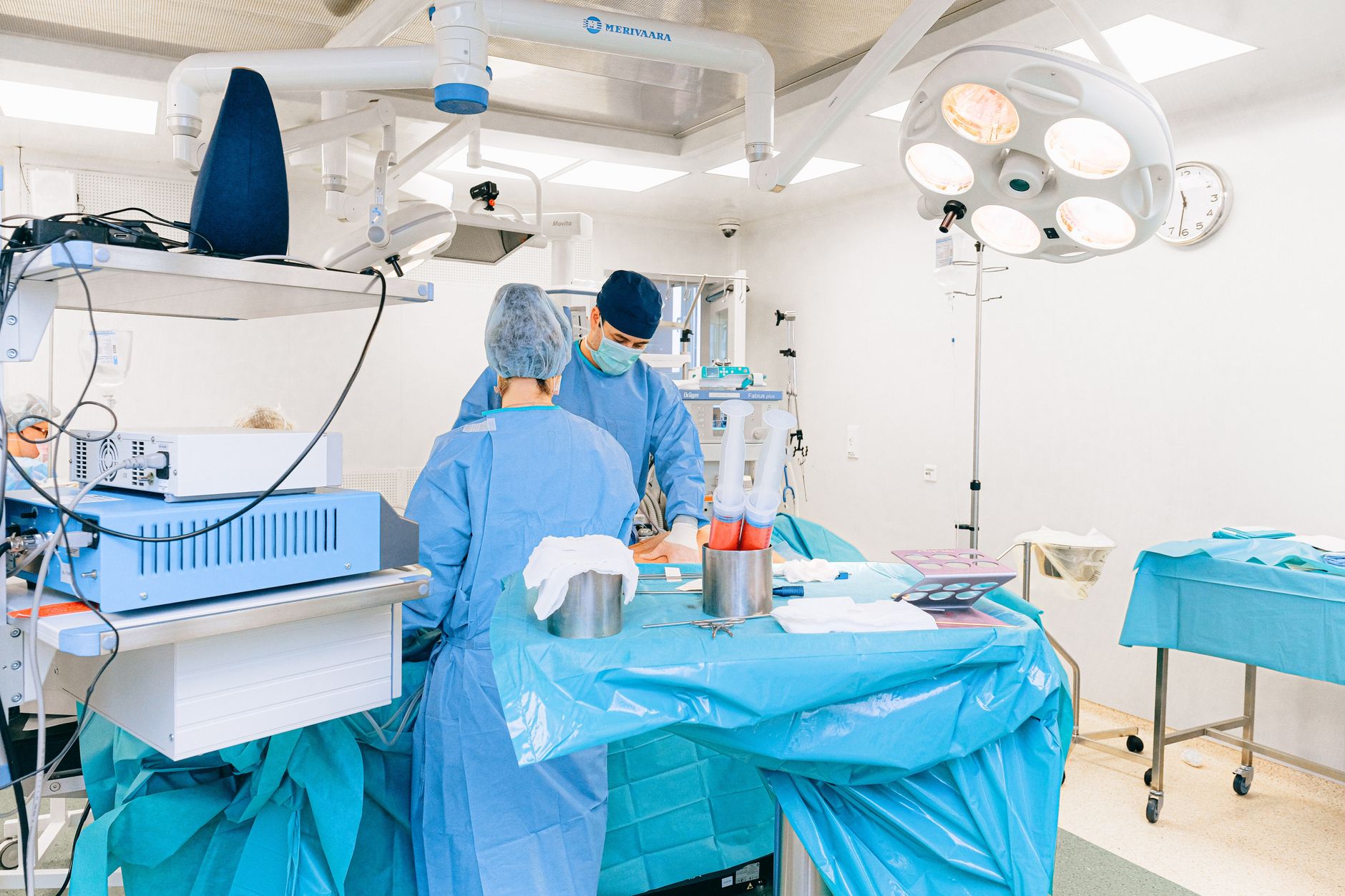
Zhejiang Chuangxiang Single Use Ureteral Access Sheath Receives FDA 510(k) Clearance
The company's ureteral access sheath is cleared via the 510(k) pathway, indicating substantial equivalence to a predicate device for urinary tract access.

CraniUS Plate Gains 510(k) Clearance for Cranial Reconstruction
The CraniUS Plate, a Class II device from CraniUS, LLC, has received FDA 510(k) clearance via a Special submission, signaling its substantial equivalence for specific cranial applications.

Jeisys Medical Receives 510(k) Clearance for Potenza Prime RF Microneedling System
The clearance of Potenza Prime expands the market for radiofrequency microneedling, signaling continued regulatory acceptance of established aesthetic technologies.
Odin Medical's CADDIE Receives FDA Special 510(k) Clearance
The CADDIE device, intended for gastroenterology and urology applications, secured a Special 510(k) clearance, signaling substantial equivalence to a predicate device.
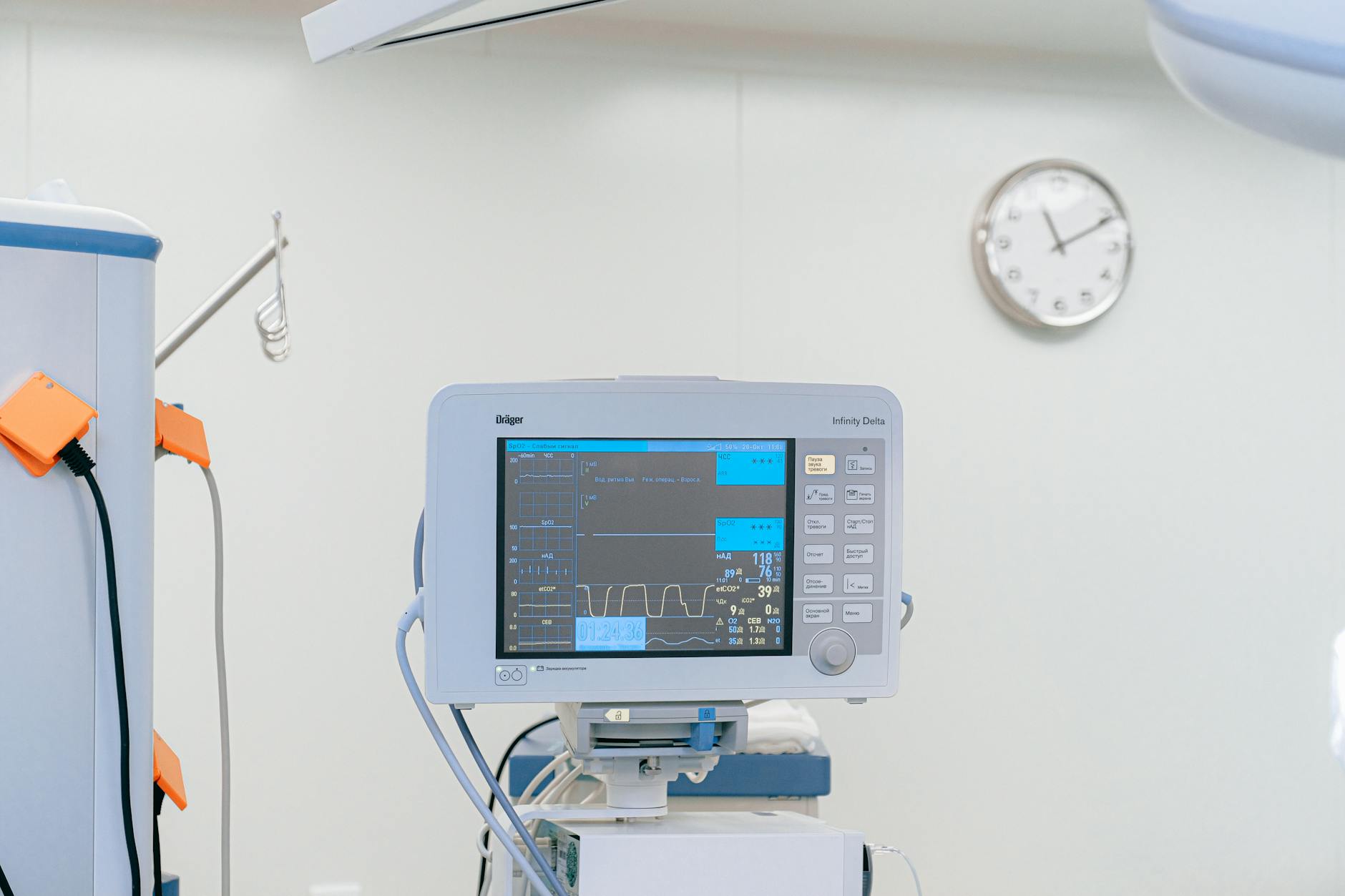
Ascom's Digistat Care Receives 510(k) Clearance for Cardiovascular Use
The clearance for Digistat Care expands its market access, with further details on its specific functionalities and clinical utility pending.
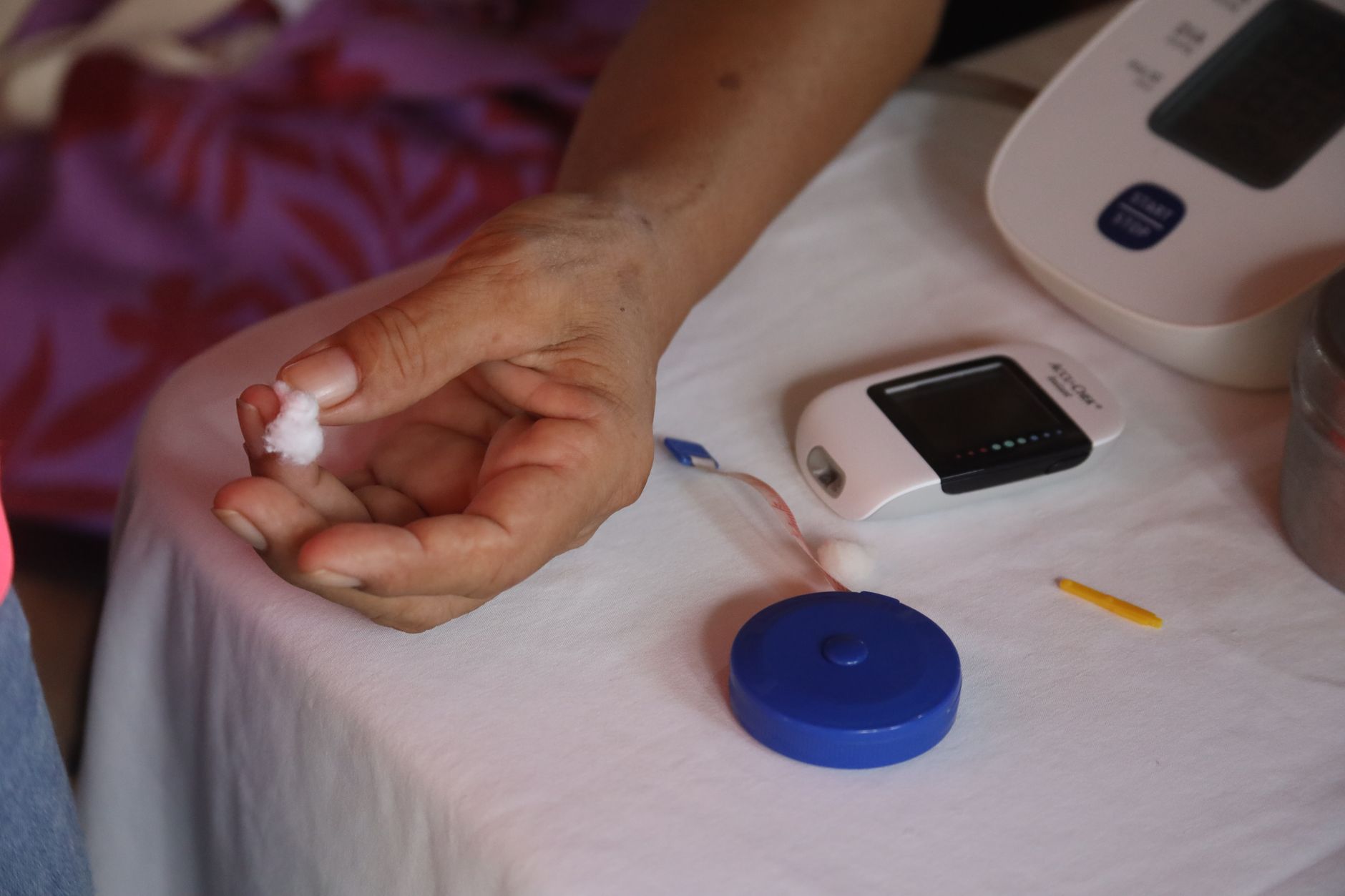
Tianjin Huahong Secures 510(k) for Safety Lancet (XL)
The FDA granted clearance for Tianjin Huahong Technology's safety lancet, a Class II device intended for single-use blood sampling.

Ultra-Processed Foods: Disagreement on Health Impact Beyond Nutrient Content
While evidence links ultra-processed foods (UPFs) to adverse health outcomes, experts differ on whether the processing itself or merely their high fat, sugar, and salt content is the primary driver of risk.

Closing the Epilepsy Treatment Gap: Why Stigma and Access Undermine Innovation
Despite significant progress in antiepileptic drugs and device therapies, a substantial portion of epilepsy patients globally remain untreated or inadequately managed, often due to social stigma and systemic healthcare access issues rather than a lack of medical solutions.

UK Advisors Recommend Routine Meningitis B Vaccination for 15-Year-Olds After Outbreak
The shift in guidance from the Joint Committee on Vaccination and Immunisation follows a significant Meningitis B outbreak in Kent and growing evidence of increased risk in socially active adolescents.

Tinnitus Management: Navigating a Fragmented Device Landscape
Recent advances in tinnitus treatment emphasize combination therapies and neuromodulation, yet sustained relief remains an elusive goal for many patients, highlighting the need for more robust clinical evidence.

Oral Semaglutide vs. Injectable: Navigating UK Weight Loss Prescribing Landscape
Regulatory differences and reimbursement strategies in the UK are shaping the availability and adoption of oral and injectable GLP-1 receptor agonists for weight management, with implications for patient access and market dynamics.